hajj pilgrimage guide - meaning, importance, rituals & mecca location

Hajj Pilgrimage – Meaning, Importance, Rituals, Location & Travel Guide

20-Dec-2025 0 Comments 0 Views

What Is Hajj Pilgrimage?

Hajj pilgrimage is one of the most sacred religious journeys in Islam. It refers to the annual pilgrimage that Muslims undertake to the holy city of Mecca in Saudi Arabia. Performing Hajj is a mandatory act of worship for every Muslim who is physically, mentally, and financially capable of completing the journey at least once in their lifetime.

Hajj is not merely a physical journey; it is a deeply spiritual experience that symbolizes unity, equality, submission, and devotion to Allah. Muslims from every race, nationality, and background gather in one place, dressed alike, performing the same rituals.


Why Hajj Is Important in Islam

Hajj holds immense importance in Islam because it is one of the Five Pillars of Islam, which form the foundation of a Muslim’s faith and practice.

READ ALSO: IS HAJJ OPEN 2021


Hajj as One of the Five Pillars of Islam

The Five Pillars of Islam include:

  • Shahada – Declaration of faith in Allah

  • Salat – Performing daily prayers

  • Zakat – Giving charity to those in need

  • Sawm – Fasting during the month of Ramadan

  • Hajj – Pilgrimage to Mecca

Hajj represents complete obedience to Allah and serves as a reminder of humility, patience, and sacrifice.


Why Mecca Is Sacred for Muslims

Mecca is the birthplace of Prophet Muhammad and the heart of Islamic history. It is the city where the Holy Quran was revealed and where the direction of prayer (Qibla) is established for Muslims worldwide.


Kaaba and Masjid al-Haram Explained

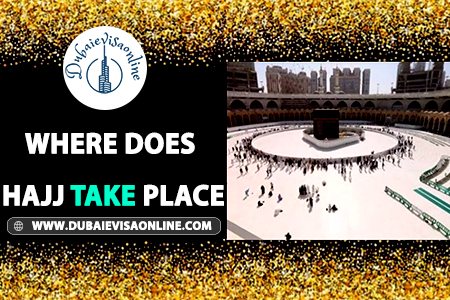
At the center of Mecca lies the Kaaba, located inside Masjid al-Haram. Muslims face the Kaaba during daily prayers, and it is the focal point of all Hajj rituals. According to Islamic belief, the Kaaba was built by Prophet Ibrahim (Abraham) and his son Prophet Ismail.


Where Does Hajj Take Place?

Hajj takes place in and around Mecca, including:

  • Masjid al-Haram

  • Mina

  • Arafat

  • Muzdalifah

Each location plays a crucial role in the sequence of Hajj rituals.

READ ALSO: WHAT ARE THE STAGES OF HAJJ


When Does Hajj Occur?

Hajj is performed during a specific period in the Islamic lunar calendar. Unlike Umrah, Hajj can only be completed during these designated days, making it a once-a-year pilgrimage opportunity.


Main Rituals Performed During Hajj

Hajj consists of a series of sacred rituals that follow the footsteps of Prophet Ibrahim and Prophet Muhammad.


Ihram and Pilgrim Dress Code

Before beginning Hajj, pilgrims enter a state of Ihram:

  • Men wear two unstitched white cloths

  • Women wear modest clothing covering the body, leaving the face uncovered

This dress code symbolizes equality, purity, and unity among all pilgrims.


Tawaf Around the Kaaba

Pilgrims walk around the Kaaba seven times in an anti-clockwise direction. This act, known as Tawaf, represents the unity of believers worshipping one God.


Sa’i Between Safa and Marwah

Pilgrims walk between the hills of Safa and Marwah, reenacting Hagar’s search for water for her son Ismail. This ritual reflects faith, perseverance, and trust in Allah.


Day of Arafat and Jamarat Ritual

  • Arafat is where pilgrims pray and seek forgiveness

  • Jamarat involves symbolic stoning of pillars representing the rejection of evil

These rituals emphasize repentance and spiritual renewal.


Eid al-Adha During Hajj

Eid al-Adha is celebrated during Hajj, commemorating Prophet Ibrahim’s willingness to sacrifice his son in obedience to Allah. Muslims around the world perform acts of charity and sacrifice during this time.

READ ALSO: WHY HAJJ IS IMPORTANT IN ISLAM


Who Is Required to Perform Hajj?

Hajj is obligatory for Muslims who:

  • Are physically and mentally fit

  • Can afford the journey

  • Can travel safely

Those unable due to health or financial reasons are exempt.


Hajj Travel and Visa Requirements

Traveling for Hajj requires a specific pilgrimage visa issued under Saudi regulations. Pilgrims must ensure their documentation, accommodation, and travel plans are arranged correctly before departure.

If you are transiting through the UAE or planning additional travel, securing the correct visa in advance is essential.


Risks of Unofficial Travel and Visa Methods

Many travelers face issues such as:

  • Fraudulent agents

  • Incorrect visa categories

  • Travel delays or denied entry

  • Financial losses

These risks can disrupt a sacred journey like Hajj.


Why Use a Professional Visa Service for Travel

Using a trusted and professional visa service ensures:

  • Correct visa selection

  • Accurate documentation

  • Reliable processing

  • Peace of mind while traveling


Final Thoughts on Hajj Pilgrimage

Hajj pilgrimage is a life-changing spiritual journey that every Muslim aspires to complete. Understanding its meaning, rituals, and requirements helps pilgrims prepare both physically and spiritually.

For smooth travel planning and reliable visa assistance, always choose a trusted professional service—so you can focus fully on faith, devotion, and the sacred experience of Hajj.

Apply Dubai Visa

  • Mecca pilgrimage
  • Hajj rituals
  • Importance of Hajj
  • Kaaba in Mecca

Frequently Asked Questions

The Hajj which is an annual Islamic pilgrimage to Mecca and Al-Masjid an-Nabawi, is one of the five pillars of Islam.The Hajj is performed over five days or nights, from the 8th to the 12th of Dhu al-Hijjah, the Islamic calendar's final month.It is the largest annual gathering of people in the world. The Hajj is performed during the twelfth month of the Islamic year. The activities of this month are related to the Hajj ritual. Pilgrims must travel from Mecca to the Kaaba in Mecca and the journey to the Kaaba is called the ʿUmrah.

The city of Mecca, located in the Hijaz region of present-day Saudi Arabia, is considered the birthplace of the prophet Muhammad, the founder of the Islamic religion, and the Masjid al-Haram mosque. The city is a center of pilgrimage for Muslims and only Muslims are allowed to enter. All Muslims have to perform the Hajj, a pilgrimage to Mecca, at least once in their lifetimes. It is a five-day ritual that involves walking around the Kaaba seven times, kissing the Black Stone, drinking from the Zamzam Well, and other rituals. All of the rites are detailed in the Quran. During the Hajj, all Muslims wear white clothes to symbolize purity and equality.

The Hajj is one of the Five Pillars of Islam and is one of the biggest gatherings of Muslim people all over the world. This gathering takes place in Mecca, a city located in the western part of Saudi Arabia. The Hajj is a pilgrimage, an act of faith, and an obligation that every Muslim must perform at least once in their lifetime. However, only those who are physically and financially able to do so are able to go on this trip. This event is not only about Muslims who are physically present in Mecca for the event, but also about those who wish to be there but are not able to due to financial, health, or other issues.

Pilgrimages are religious travels of considerable significance. The pilgrimage is frequently a rite of passage, a physical and spiritual pilgrimage to a certain location or to specific people. It has frequently been described as a search for the Holy Grail. Pilgrimages are practised by many religions. The most well-known is the Hajj, or pilgrimage to Mecca in Saudi Arabia. The Hajj is a Saudi Arabian pilgrimage to Mecca. It is one of the world's major pilgrimages and the fifth pillar of Islam, a religious requirement that every able-bodied Muslim who can afford to do so must fulfil at least once in their lives. Millions of people from all over the globe go to Mecca each year to do hajj.The number of pilgrims from around the globe performing hajj in 2017 was officially expected to be 2 million, while the number of local pilgrims was around 1.35 million.

The Hajj, which is one of the five pillars of Islam, is the largest annual pilgrimage in the world. People who are physically and financially capable of doing the Hajj at least once in their lives must do so. The Hajj is an annual pilgrimage to Mecca in Saudi Arabia. Every year, more than 2 million Muslims from all over the world travel to Mecca to participate in this religious rite. The Hajj takes place over the course of five days.

The pilgrimage to Mecca, or Hajj, is one of the largest gatherings in the world. It is a religious obligation that every able-bodied Muslim who can afford to do so must fulfil at least once in their lives. Pilgrims walk around the Kaaba seven times, and then they run back and forth between the hills of Al-Safa and Al-Marwah seven times. The pilgrims are required to stay in the city of Mecca during Hajj, and they spend most of their time on ritual prayer, attending sermons in the mosque and studying religious topics. To make their Hajj more comfortable, pilgrims go with a group that includes experienced guides, travel agencies and other Hajj organizations to provide them with food, lodging and transport. Hajj can be done at any time of year, but the dates vary depending on the Islamic calendar.

Hajj is one of Islam's five pillars, and it is obligatory. It is a pilgrimage that is required of every adult Muslim who is financially and physically capable of making it. Hajj season begins in the Islamic calendar in the eighth and final month of Dhul-Hijjah, which is the twelfth month of the Islamic calendar. Hajj is one of the first things a new Muslim should perform after accepting Islam. Every year, in the month of Dhu al-Hijjah, Muslims from throughout the world go to Mecca for Hajj, the annual pilgrimage to Arabia's holiest city. Many Muslims perform the Hajj pilgrimage at least once in their lives.

Hajj is a pilgrimage to Mecca, Saudi Arabia, that all Muslims are required to do at least once in their lifetime. It is a five-day event (four days if you’re doing it for the first time) that changes the lives of those who complete it, and it’s a major cultural event for Muslims around the world. The Hajj occurs during the Islamic month of Dhu al-Hijjah, the twelfth month of the Islamic calendar, and it must be completed between the 8th and 12th days of the month. It’s one of the five pillars of Islam, and it’s required that all Muslims who are physically and financially able to go on Hajj before they die.

The Hajj is an internationally known Islamic pilgrimage to Saudi Arabia's holy city of Mecca. Hajj, or pilgrimage, is one of Islam's five required pillars that every able-bodied Muslim who can afford to do so must do at least once throughout their lives. The Hajj is one of the world's greatest yearly gatherings of people, taking place during the final month of the Islamic calendar. It is a time for Muslims to ponder and grow spiritually, as they are advised to wash themselves of sin and straighten up their lives for the next year.

The city of Mecca is a city in the state of Mecca, in western Saudi Arabia. It's known as the holiest city in Islam. Mecca is where the Islamic pilgrimage, hajj, takes place. Hajj is a journey that every adult Muslim is supposed to take at least once in their lifetime. People who complete the hajj are called hajjis.Hajj is one of Islam's five pillars. It prepares Muslims to be better citizens for their communities and for Allah.

During Hajj, pilgrims visit Mecca's Kaaba, the spiritual place of Islam. The Kaaba is a cubic monument erected by Abraham and his son Ishmael, Muhammad's grandfather. The kiswah, a black silk fabric, covers the structure and is renewed every year. Hajj is a pilgrimage that every able-bodied Muslim who can afford it must do at least once in his or her lifetime. The pilgrimage lasts five days in the 12th month of the Islamic calendar.The same day is Eid al-Adha, which celebrates the completion of the Hajj. Every year, three million Muslims undertake the pilgrimage to Mecca, and Hajj is the world's biggest yearly gathering of people. The occasion is a time of profound prayer, tranquilly, and reflection.

The running between Safa and Marwa is called Al-Safar in Arabic. It is a ritual that takes place during the Hajj pilgrimage in the month of Dhu al-Hijjah. The running takes place on the eighth day of the Hajj. Muslims that have performed the Umrah during the preceding months of Ramadan, which is one of the five pillars of Islam, are permitted to perform the ritual.

Every year, Muslims from all over the world go to Mecca, Saudi Arabia, for Hajj, the annual pilgrimage. The rites performed at Hajj are part of Islam's Five Pillars, which all Muslims are obliged to fulfil in some fashion. Hajj is performed during the 12th month of the Islamic calendar, Dhul Hijjah, which Muslims believe is the month when Prophet Ibrahim was commanded to sacrifice his son.

Write Your Comment

Your email address will not be published. Required fields are marked *