


IndiGo OK to Board: UAE Rules & Required Documents
Check IndiGo OK to Board requirements for UAE flights, including passport categories, visa documents, exemptions, and confirming clearance before departure.
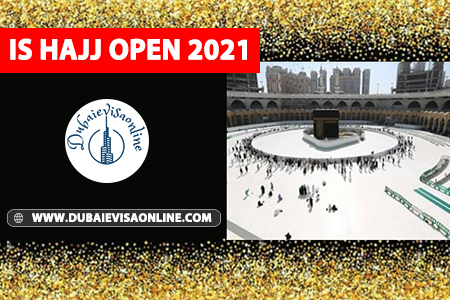
The Hajj pilgrimage is one of the most sacred religious duties in Islam and represents the fifth pillar of faith. It involves a spiritual journey to Mecca in Saudi Arabia, where Muslims perform a series of prescribed rituals dedicated to devotion, humility, unity, and obedience to Allah.
Every Muslim who is physically, mentally, and financially capable is required to perform Hajj once in their lifetime. The pilgrimage is not merely travel—it is a deeply transformative spiritual experience that emphasizes equality, patience, and submission to divine will.
Hajj symbolizes:
Equality among all Muslims
Forgiveness of past sins
Renewal of faith and purpose
Unity of the global Muslim community
Hajj is performed annually during the Islamic month of Dhul Hijjah, with the core rituals spanning five to six days. The exact dates depend on the lunar calendar and moon sighting.
Due to its fixed religious timing, Hajj travel planning requires early preparation, documentation, and compliance with official regulations.
READ ALSO: WHAT IS HAJJ PILGRIMAGE
Hajj consists of multiple sacred rites that must be performed in a specific order.
Pilgrims enter a state of Ihram, wearing simple garments and making the intention (niyyah) to perform Hajj with purity and discipline.
Tawaf: Circling the Kaaba seven times
Sa’i: Walking between Safa and Marwah
Arafat: Standing in prayer and reflection, the most important day of Hajj
Pilgrims collect pebbles in Muzdalifah, stay in Mina, and perform the symbolic stoning of pillars representing the rejection of evil.
To perform Hajj, pilgrims must meet specific criteria:
Must be Muslim
Must have financial capability
Must be physically and mentally fit
Must comply with official travel and health requirements
Priority systems may apply due to crowd management policies.
READ ALSO: WHAT ARE THE STAGES OF HAJJ
Saudi authorities regulate Hajj attendance to ensure safety and order.
Mandatory health screenings
Vaccination and fitness requirements
Age eligibility policies when applicable
Pilgrims must follow:
Official registration systems
Approved accommodation and transport plans
Authorized pilgrimage organizers
Due to the scale of Hajj, Saudi Arabia enforces controlled entry quotas, scheduling systems, and strict compliance checks to ensure pilgrim safety and smooth operations.
Muslims unable to travel can still gain spiritual rewards during the Hajj period.
Fasting during the first nine days—especially the Day of Arafat—is highly encouraged.
Charity during these sacred days carries multiplied spiritual rewards.
Attending Islamic classes and congregational prayers offers immense religious benefit.
READ ALSO: WHY HAJJ IS IMPORTANT IN ISLAM
Hajj: Mandatory, specific dates, once in a lifetime
Umrah: Voluntary, can be performed any time
Both hold spiritual value, but Hajj carries greater obligation.
Pilgrims must secure approved pilgrimage authorization through official channels before travel. Travel documentation, accommodation arrangements, and compliance with entry rules are mandatory.
Planning Middle East travel also requires understanding regional visa requirements, especially for travelers transiting through or traveling onward after pilgrimage.
[Insert link to related article here]
Pilgrims using unverified agents may face:
Entry denial
Incomplete documentation
Accommodation issues
Financial loss
Choosing structured, transparent travel services reduces risk and stress during sacred travel.
The Hajj pilgrimage is a once-in-a-lifetime spiritual journey that demands preparation, discipline, and respect for official guidelines. Understanding rituals, eligibility, and travel requirements ensures a meaningful and smooth experience.
For Muslims planning broader Middle East travel before or after pilgrimage, securing proper travel authorization in advance is essential.
Apply for your Dubai Visa online through a professional service to ensure safe, reliable, and stress-free travel planning.
Your email address will not be published. Required fields are marked *
Processed in 24–48 working hours — transparent fees and expert support.
Check IndiGo OK to Board requirements for UAE flights, including passport categories, visa documents, exemptions, and confirming clearance before departure.
Review Air Arabia OK to Board requirements for UAE travel, including visa documents, submission channels, airline fees, and timing before your flight departs.
Know about Dubai Freelance Visa; Review eligibility, itemised costs, renewal fees, and documents before choosing your application route.


