


IndiGo OK to Board: UAE Rules & Required Documents
Check IndiGo OK to Board requirements for UAE flights, including passport categories, visa documents, exemptions, and confirming clearance before departure.
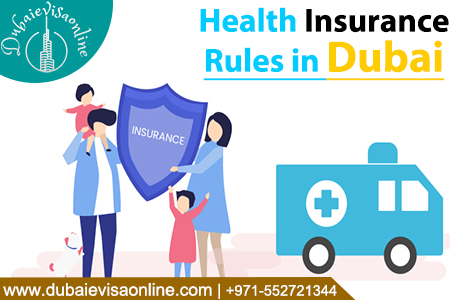
Dubai has implemented strict health insurance regulations to ensure that all residents, employees, and dependents have access to essential medical care. Under Dubai Health Authority (DHA) regulations, having valid health insurance is mandatory, and failure to comply can result in monthly financial penalties. These rules apply to employees, employers, domestic workers, dependents, and certain categories of non-working residents.
The primary objective of Dubai’s health insurance framework is to provide sustainable, affordable, and standardized healthcare access while reducing the burden on public hospitals. The Essential Benefits Plan (EBP) was introduced as a regulated solution for lower-income employees and vulnerable groups who previously struggled to afford private health insurance.
The Essential Benefits Plan (EBP) is a DHA-approved health insurance policy designed to offer basic yet comprehensive medical coverage at controlled prices. The plan ensures that essential healthcare services are accessible to residents who fall under defined salary thresholds, as well as eligible dependents and domestic workers.
EBP focuses on affordability, transparency, and standardized coverage, preventing insurers from offering inadequate or misleading medical plans.
READ ALSO: Guide to embassies in Dubai
Employees earning at or below the DHA-defined salary limit must be insured under the Essential Benefits Plan. Employers are legally responsible for providing this insurance and cannot deduct the premium from the employee’s salary or reduce wages to compensate for insurance costs.
Spouses, children, and elderly parents sponsored by a resident must also have valid health insurance. If they are not covered under a higher-tier insurance plan, EBP becomes the minimum acceptable option.
Domestic helpers such as nannies, cooks, drivers, and caregivers earning within the defined salary bracket must be insured under EBP or an equivalent plan that meets or exceeds DHA coverage standards.
Yes, EBP is mandatory for dependents if they are not already covered under an employer-sponsored or higher-coverage insurance plan. Dependents without valid health insurance are considered non-compliant under Dubai health regulations.
READ ALSO: Guide to Freelance visa in Dubai
EBP exists to ensure:
Affordable healthcare access for low-income residents
Coverage for routine medical needs and emergencies
Protection for families, domestic workers, and vulnerable groups
Reduced healthcare burden on public institutions
However, EBP is a basic plan, and it may not be suitable for individuals seeking international coverage, higher annual limits, or advanced medical networks.
DHA regulates EBP premiums annually to maintain affordability. Insurers offering EBP must operate strictly within approved premium bands. Higher-salary employees may be offered enhanced versions of EBP with extended benefits.
Premiums vary based on age, dependency status, and risk profile:
Non-working individuals within standard age brackets
Non-working spouses
Elderly parents with higher medical risk
Domestic workers
Premium rates increase with age and medical risk, particularly for elderly dependents.
Hospital admission, diagnostics, and surgeries
Co-payment applies for non-emergency treatment
Annual coverage cap applies per policy
Doctor consultations and routine treatments
Diagnostic tests, physiotherapy, and radiology
Standard co-payment structure
Emergency ambulance services
Emergency hospital care within UAE
Antenatal checkups and diagnostic tests
Normal and emergency delivery coverage
Newborn coverage under the mother’s policy for a limited period
READ ALSO: All about Dubai Immigration
All pre-existing or chronic conditions must be declared at the time of application. Coverage typically begins after a waiting period, while emergency treatment remains covered during that time, ensuring no resident is denied urgent care.
EBP coverage is primarily limited to Dubai, with emergency treatment allowed in other UAE emirates. The plan does not provide international medical coverage.
Residents without valid health insurance are subject to monthly fines until compliance is restored. These fines accumulate and can impact residency renewals, visa processing, and other government services.
Monthly financial penalties
Visa and residency renewal delays
Denial of medical services
Legal non-compliance with DHA regulations
Health insurance compliance is directly linked to Dubai residency, employment, and visa status. Incorrect plans, expired policies, or misinformation can cause serious legal and financial issues. Seeking professional guidance ensures that insurance coverage aligns with DHA rules and residency requirements.
Dubai health insurance rules are mandatory and strictly enforced. The Essential Benefits Plan plays a crucial role in ensuring healthcare access for residents who fall within regulated salary and dependency categories. Understanding who must be insured, what coverage is required, and how to remain compliant is essential for avoiding penalties and protecting your legal residency status.
Staying informed and compliant not only safeguards your health—but also ensures uninterrupted residency and employment in Dubai.
Your email address will not be published. Required fields are marked *
Processed in 24–48 working hours — transparent fees and expert support.
Check IndiGo OK to Board requirements for UAE flights, including passport categories, visa documents, exemptions, and confirming clearance before departure.
Review Air Arabia OK to Board requirements for UAE travel, including visa documents, submission channels, airline fees, and timing before your flight departs.

Know about Dubai Freelance Visa; Review eligibility, itemised costs, renewal fees, and documents before choosing your application route.


